The Reading Hut®
"On a mission to inspire every child to read, learn, and find joy in words. We publish One, Two, Three and Away! series. Reading the Village with Three Corners early and for pleasure!"

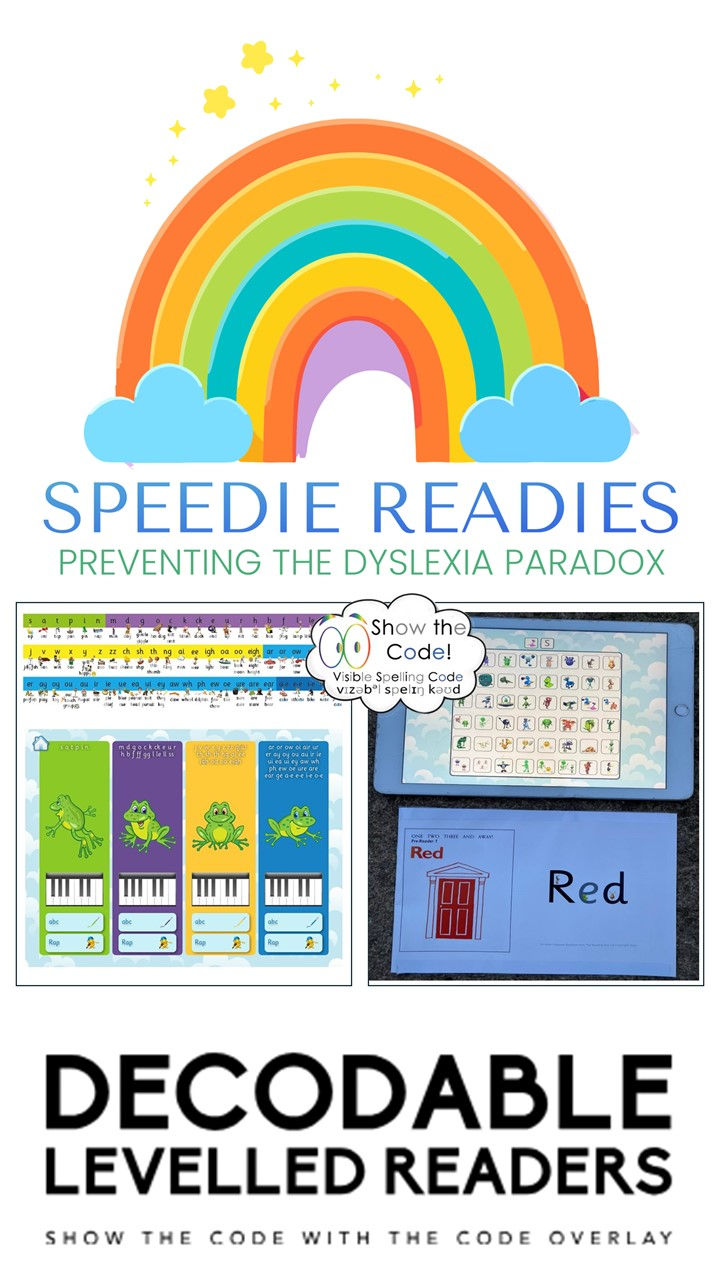
Decodable Levelled Readers
Seeing the phoneme–grapheme mapping in the 36 Pre-Readers and 16 Introductory Readers won’t matter to all children, but it will be life-changing for the one in four children with weak speech sound processing skills, and are high risk of dyslexia. It supports phonemic awareness and phonological working memory.
We don’t wait for children to struggle before taking action. We don’t take chances. We want every child to read easily and enjoy reading. At least 1 in 5 will need One, Two, Three and Away! with the Code Overlay.
Speedie Readies is an upstream approach to preventing the Dyslexia Paradox.
Start the 36 Pre-Readers in Term 2 of Reception or once children are secure with the first core GPCs, typically s a t p i n m d g o c k ck e u r h b f l ll ss, they are ready to begin the mapped Pre-Readers.. In Term 1, introduce the characters in The Village With Three Corners using these books:
https://www.speediereadies.com/introducing-the-series
Read these with the children in Term 1 so that when they begin the Pre-Readers in Term 2, they’ve already had a term of systematic phonics, understand the concept of phoneme–grapheme mapping, and know how to “follow the sounds to say the words”. The Phonemies are phoneme symbols.
They’ll be ready to explore the books because the code is shown, and they’ll also be excited to read them because the characters in The Village With Three Corners are already familiar.
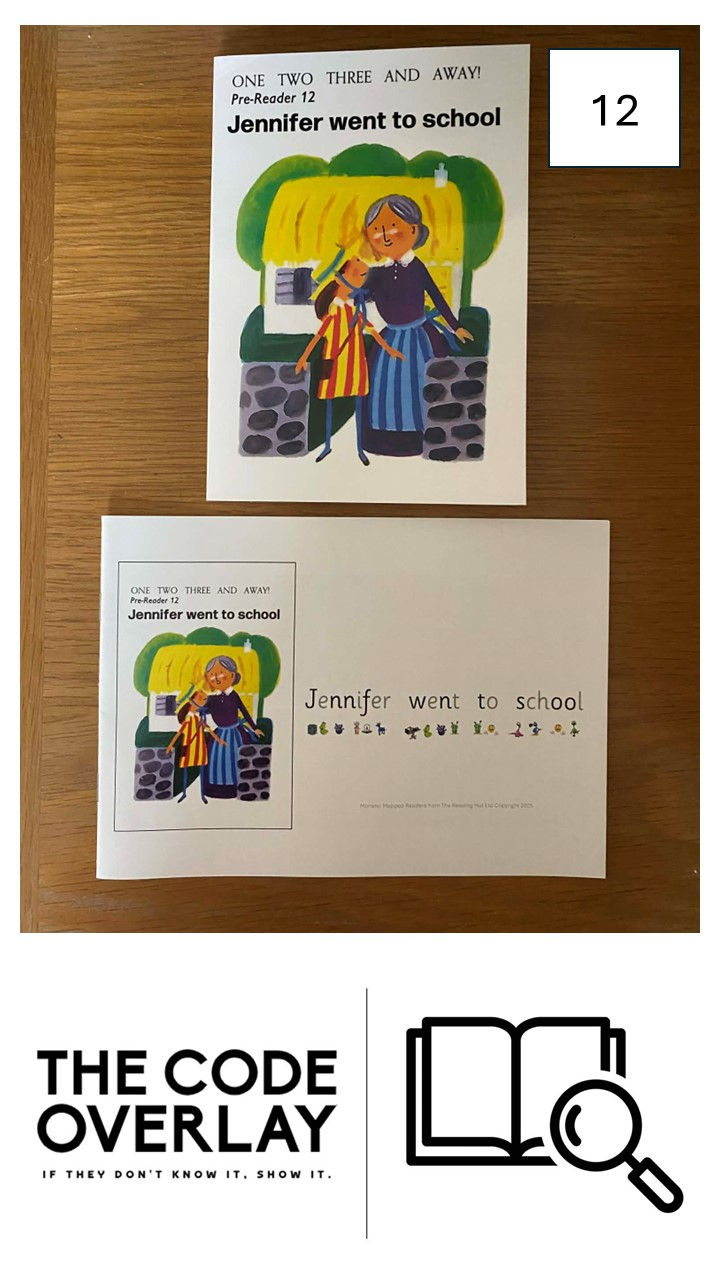
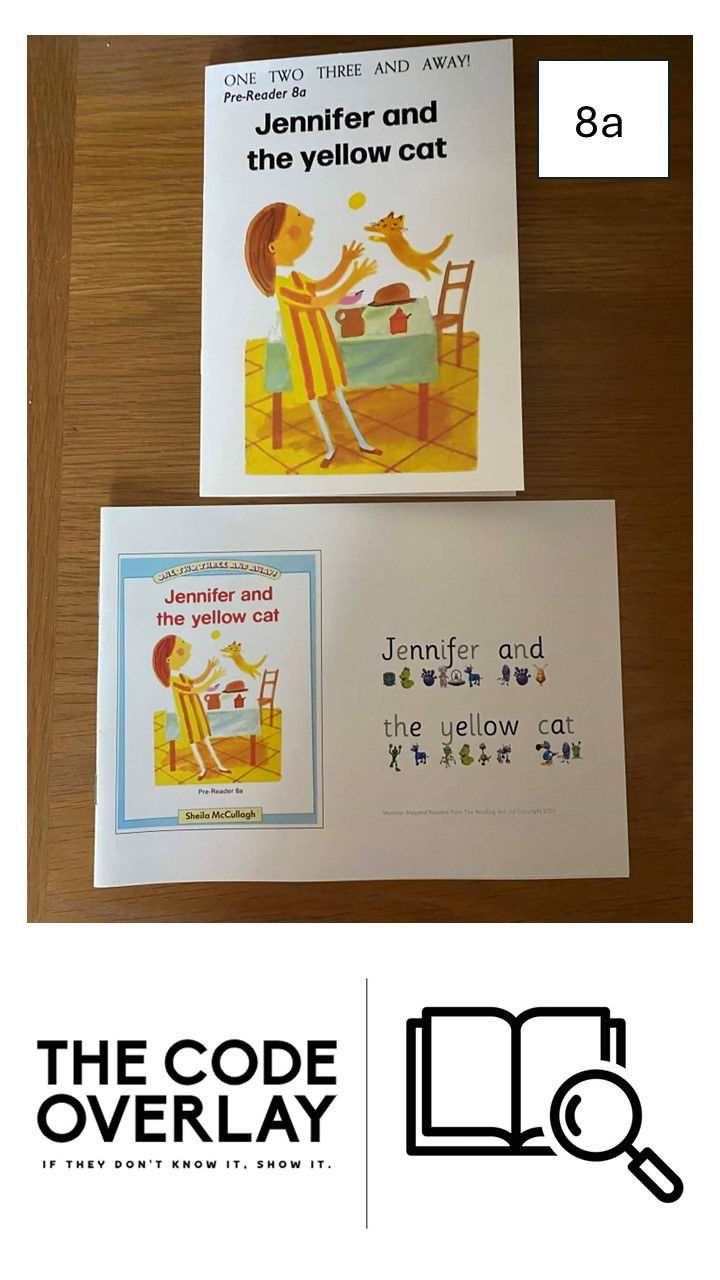
There are 36 Pre-Readers and 16 Introductory Readers, each available in three versions:
• graphemes shown (Code Mapped)
• graphemes with their sound value shown (Monster Mapped)
• regular text
There are also 20 Blue Platform Readers and 20 Main Readers, plus the 10 Red, 10 Green and 10 Yellow Plaform readers. By the end of the Main Readers, children are independent readers who read with fluency and comprehension, and for pleasure.
By the Blue Platform stage, they no longer need the Code Overlay. Some hardly need any letters and sounds (code cue) support from the beginning, but it ensures that children at risk have the phonemic awareness and phonological working memory support needed to prevent the Dyslexia Paradox.
From Term 2 of Reception, the focus shifts to reading for pleasure. Not as a distant hope following books written only to practise grapheme recognition and blending, but as a lived experience. Children develop reading behaviours and an identity as readers who choose to read and can’t wait to dive into the next book.